Safety Edges for Medical Equipment: Application and Installation Notes
One area of safety that often doesn't get as much attention as it should is medical equipment. In hospitals and clinics, patient and staff safety is the absolute top priority, and safety edges play a quiet but critical role in preventing injuries every single day.
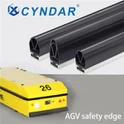
You'll find safety edges on almost every piece of moving medical equipment these days. They're on hospital beds and adjustable surgical tables, on rehabilitation machines, and even on the latest medical robots. They're installed on all the moving parts, the edges, and the doors-anywhere someone could get pinched or bumped while the equipment is operating.
What makes medical safety edges different from regular industrial ones is the special requirements of the healthcare environment. They can't have any strong odors or release any toxic materials, of course. They also need to be really easy to clean and disinfect, and resistant to the harsh chemicals that hospitals use every day. At CYNDAR, all our medical-grade safety edges are designed specifically for these conditions. We use special materials that meet all the relevant medical standards, so you can be confident they're safe for use around patients.
Now, installing safety edges on medical equipment has its own unique set of challenges, and there are a few things you really need to pay attention to. First of all, you have to be careful where you place them. Medical equipment is full of delicate, precision parts and important control buttons. You don't want to install a safety edge where it will get in the way of normal operation or accidentally press a button. But at the same time, you still need to make sure every single dangerous edge is covered. It's a careful balance, but it's absolutely essential.
Next is how you attach them. Medical equipment needs to be cleaned thoroughly and regularly, so the safety edges should be easy to remove and reattach. We recommend using lightweight, removable fasteners that don't leave any residue. You also want to avoid using any adhesives or materials that could break down and create dust, which would be a big problem in a sterile environment.
Wiring is another critical point. Medical equipment uses very sensitive electronic signals, so you have to be extra careful with the wiring for the safety edge. It needs to be neat and tidy, and properly shielded to prevent any electrical interference that could disrupt the equipment's normal function. And of course, it has to be connected directly to the equipment's emergency stop system, so it will shut down immediately if triggered.
Once you've finished the installation, there are a couple of extra tests you need to do that you wouldn't normally do for industrial equipment. You need to test the sensitivity very carefully to make sure it triggers with just the right amount of force. And you should also make sure that the safety edge and all the materials used are compatible with the cleaning products that will be used on the equipment.
And just like with any safety device, regular maintenance is key. In a medical setting, this is even more important. You should check the safety edges every day to make sure they're clean and free of any debris. Inspect them regularly for any signs of wear or damage, and replace them immediately if you find anything wrong.
At CYNDAR, we've worked with many hospitals and medical equipment manufacturers over the years. We understand the unique challenges of the healthcare industry, and we have the right products and expertise to help you keep your patients and staff safe. If you have any questions about choosing or installing safety edges for your medical equipment, please don't hesitate to get in touch with us.