Safety Edges for Automated Production Lines: Key Installation Tips
These days, almost every automated factory I visit has safety edges installed somewhere. They've become absolutely essential for protecting both workers and equipment on production lines that run fast and run non-stop. Unlike standalone machines, automated lines move continuously, and the gaps between moving parts can be incredibly dangerous. That's why getting the safety edge installation right is so critical.
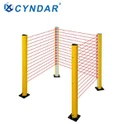
You'll find safety edges on just about every part of a modern production line. They're on automated conveyor systems, robotic arms, telescopic conveyors, and automatic doors. They're especially important at the points where different parts of the line meet-where one conveyor connects to another, or where a platform moves up and down. These are the spots where people are most likely to get their hands or arms caught if something goes wrong. And because these lines run so fast, even a split-second delay in stopping can lead to a serious accident.
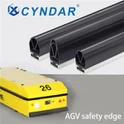
That's why the safety edges we use on production lines need to be extra tough. They have to be super sensitive to trigger immediately when touched, but also durable enough to handle constant use day in and day out. They get covered in oil and dust, they get bumped and scraped, and they have to keep working reliably. At CYNDAR, we build all our safety edges with exactly these conditions in mind. We use high-quality rubber that resists wear and aging, so they'll last for years even in the busiest factories.
Now, when it comes to installing safety edges on automated lines, there are a few things that people always get wrong. The first and most important is making sure you cover every single dangerous gap. You have to really watch how the machines move and see where the pinch points are as they operate. Robotic arms move in all directions, so you need to make sure the safety edge covers their entire range of motion. And don't forget the gaps that only appear when the line is running-those are the ones that catch people off guard.
Next is how you fix them to the machine. Production lines vibrate a lot, much more than regular standalone equipment. If you just use regular screws, they'll work themselves loose in no time. We always recommend using locking screws and special buffer brackets that absorb the vibration. And just like with any safety edge, don't pull it too tight. Leave a little bit of room for it to expand and contract with temperature changes. If it's stretched too far, it won't compress properly when it's hit.
Wiring is another big one on automated lines. These days, everything is controlled by PLC systems, so you need to make sure the safety edge is wired correctly into that system. The wires get pulled and tugged as the machines move, so you need to secure them properly and make sure they can't get caught on anything. You also need to protect them from electrical interference, which can cause false triggers or prevent the edge from working at all.
Once everything is installed, don't just test it once and walk away. Run the line at full speed and test the safety edge at every point. Make sure it stops the entire line immediately every single time. And then, make sure you have a regular maintenance schedule. Every week, wipe down the safety edges to remove oil and dirt that can build up and affect their sensitivity. Check the screws to make sure they're still tight, and inspect the wires for any signs of damage.
At the end of the day, automated production lines are amazing for efficiency, but they can also be very dangerous if the safety systems aren't installed correctly. Taking the extra time to do it right the first time will save you from a lot of problems later on. If you're not sure which safety edge is right for your production line, or if you have any questions about installation, just reach out to us at CYNDAR. We've helped hundreds of factories set up their safety systems, and we'd be happy to help you too.